
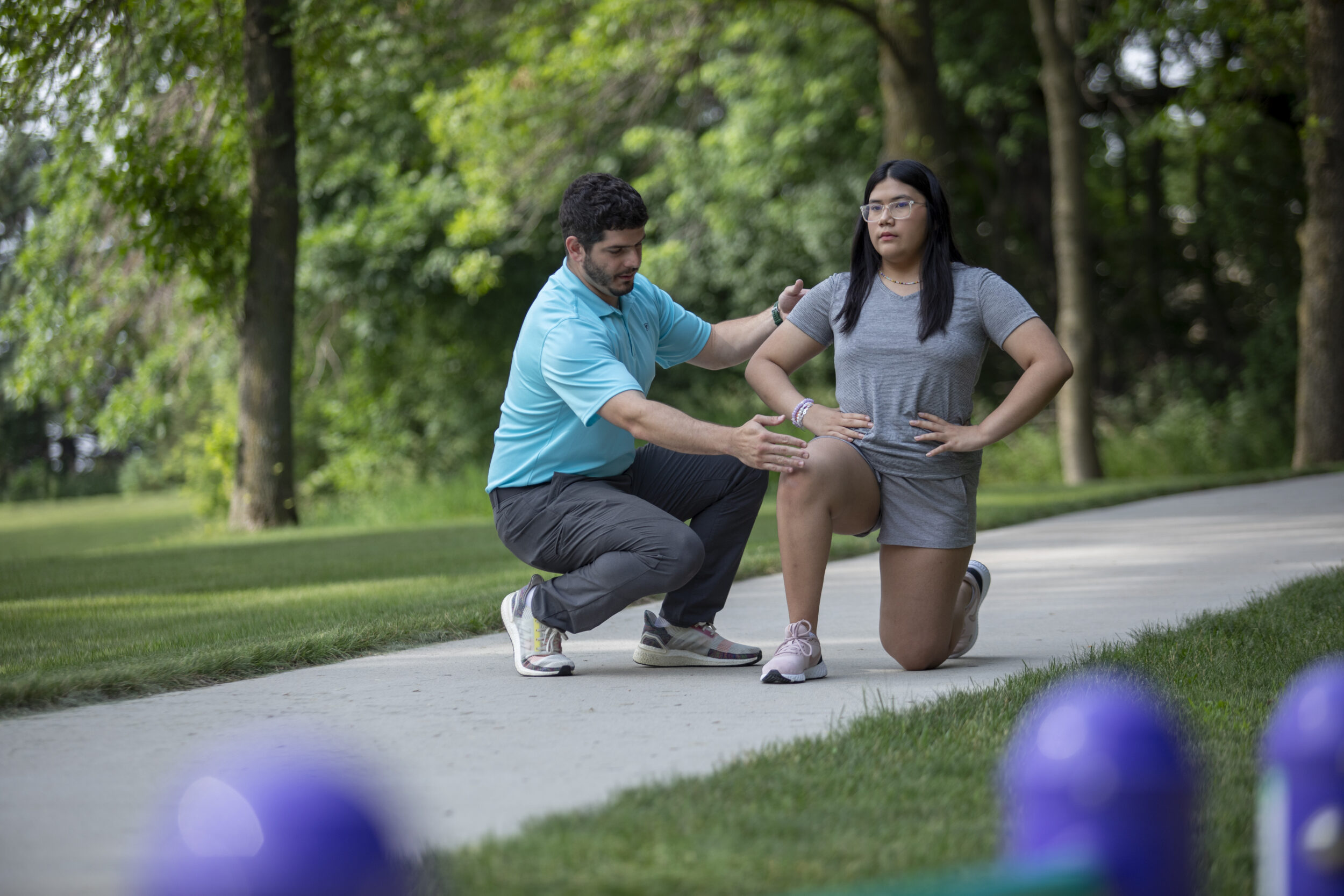
The Rehabilitation Department strives to provide quality, comprehensive therapy services to assist both inpatients and outpatients in achieving their highest level of function. The caring staff of the Rehabilitation Department assists patients who have lost mobility regain and improve their ability to perform daily activities at home, in the community or in physical activity (sports).
Windom Area Health Physical Therapy also provides services to the Mountain Lake Clinic.
For more information, contact the Rehabilitation Department at 507-831-0634.
Physical Therapy Services
Orthopedic:
- Total Joint Replacement
- Arthritis
- Ligament Sprain
- Bursitis/Fasciitis/Tendonitis
- Prosthetics
- Fractures
- Back Pain
Neurological:
- Cerebrovascular Accident
- Cerebral Palsy
- Developmental Delay
- Multiple Sclerosis
- Vestibular Rehabilitation
Functional:
- Strengthening
- Range of Motion
- Pain
- Post-Operative Care
Preventative:
- Posture Principle Training
- Body/Lifting Mechanics Training
- Worksite Ergonomics Evaluation
Other:
- Impact (Concussion) Testing
- Work Hardening
Additional Treatment Options:
Cupping therapy is an ancient form of alternative medicine in which a therapist places special cups on your skin for a few minutes to create suction. The cups can be made from a variety of different materials including glass, ceramic, silicone, bamboo, and plastic. The cups are applied to various areas of the body providing a negative pressure (suction) between the skin and the underlying tissues. It can be used for a variety of purposes including:
- Pain reduction
- Inflammation reduction
- Improved blood flow
- Break up scar tissue
- Facilitates tissue healing following injury
- Improved lymphatic drainage
- Improved relaxation and well being
Cupping is best utilized when done in conjunction with other therapeutic interventions such as active range of motion, passive range of motion, strengthening, and other manual therapy techniques. A common side effect from cupping is the circular “bruising” created from the suction. It may last a couple of hours to a couple of days.
Trigger-Point Dry Needling is a treatment option for neuro-muscular pain. Dry needling uses thin, sterile filament needle inserted into a trigger point to simulate a recovery response, relaxing the muscle. Trigger points are knots that develop in the muscle when there is injury or fatigue.
- Designed for physical therapy patients that have chronic or acute pain.
- A licensed physical therapist, certified in dry needling will conduct the procedure. A physician referral is required.
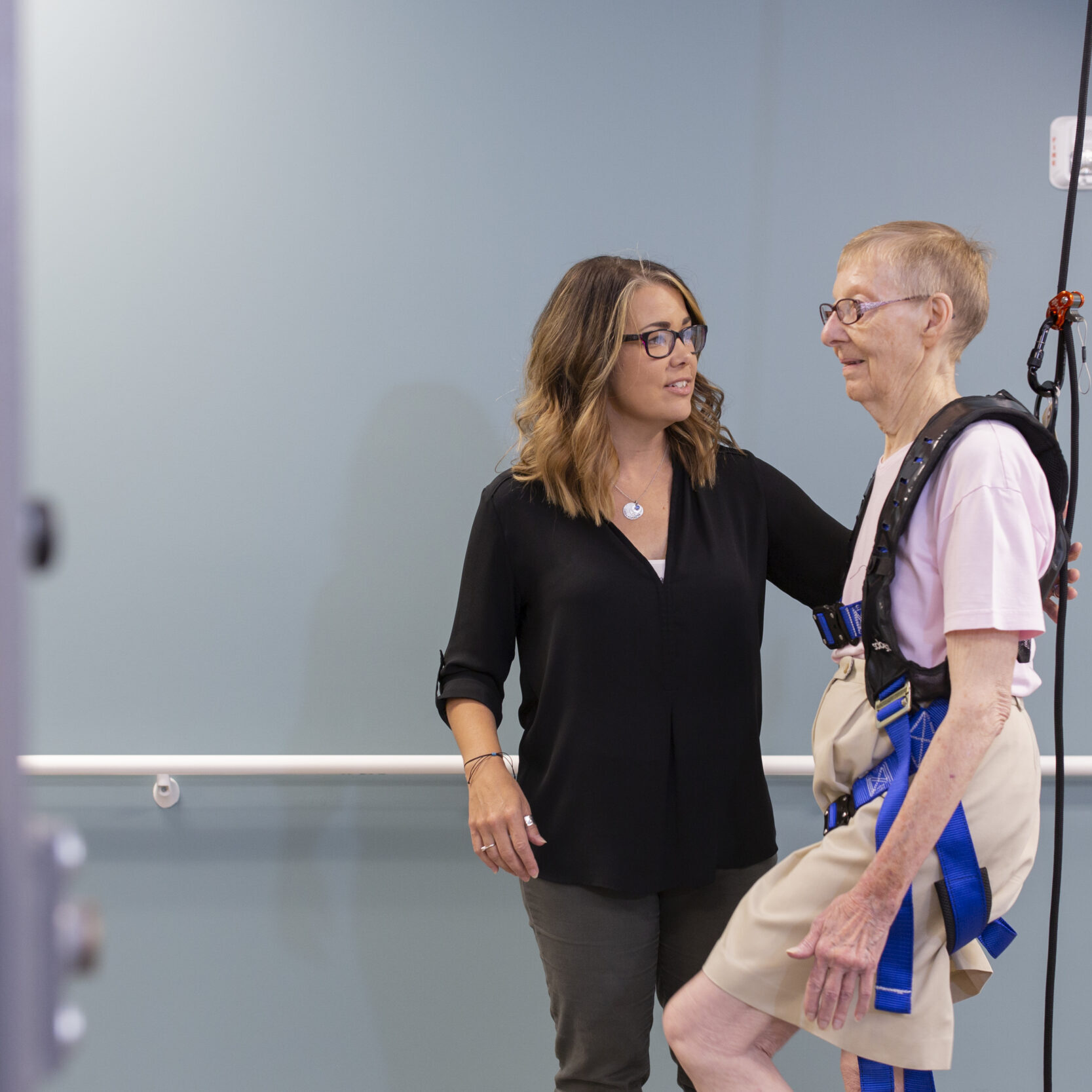
The Solo Step system consists of an overhead track and harness, allowing the patient to confidently use full range of motion during therapy. Patients are secured in the harness, which is connected to a lanyard and trolley. The Solo Step provides increased security and safety to assist patients in regaining strength, balance, and confidence faster.
Primary benefits of using the Solo Step system are:
- Allows for a safe patient and therapist environment.
- Eliminates the risk of falling during rehab.
- Increases patient confidence.
- Speeds up recovery time.
- Restores normal movement and function.
- Improves balance and coordination.
- Increases range of motion.
Solo Step system can help provide safety and security for patients with:
- Dizziness
- Balance Issues
- Weakness
- Amputees
- Parkinson's
- Paralysis
- Stroke
- Traumatic Injuries
- Head Injury
- Muscle Control
Vestibular impairments and disorders can be a result of disease or injury causing damage to your inner ear or brain. These areas help control balance and eye movements, so identifying the dysfunction and building treatment plans can help address and manage your body's balance system.
Common symptoms of vestibular disorders are:
- Difficulty walking or an unsteady gait
- Dizziness or disorientation
- Difficulty focusing the eyes when moving the head
- Feeling off-balance or unsteady
- Nausea and/or vomiting
- Vertigo or a spinning sensation
When visiting the Rehabilitation Department for a vestibular impairment, patients are evaluated and treatment plans developed. Diagnoses that are treated include:
- Bilateral Vestibular Hypofunction or Loss (BVL)
- Central Vestibular Pathologies
- These are primarily caused by stroke or head injury
- Unilateral Vestibular Hypofunction or Loss (UVL)
- This is primarly caused by labyrinthitis, vestibular neuritis, or acoustic neuroma
- Vertigo
- Benign Paroxysmal Positional Vertigo
If you are experiencing poor balance or unsteadiness that is not directly related to a vestibular impairment or disorder, please reach out. The team at the Rehabilitation department can also evaluate and build a treatment program to address these issues, as well.
Our team can help provide relief or a decrease in vestibular and balance issues, with the goal of returning mobility and confidence to our patients experiencing these concerns.
Patients with Parkinson’s Disease have an additional, non-pharmaceutical option for treatment of the neurological disorder. Five therapists at Windom Area Health are certified in the LSVT® BIG program, a series of treatments focused on increasing the quality of life in patients. The program consists of therapy targeted at increasing the amplitude of limb and body movement, along with improvement in joint range of motion, in people with Parkinson disease. Patients going through the program have seen improvements in upper and lower limb speed, balance and overall quality of life.
The treatment is administered in 16 sessions over a single month (four individual 60 minute sessions per week). This protocol was developed specifically to address the unique movement impairments for people with Parkinson disease. The protocol consists of many repetitions of core movements that are used in daily living. This type of practice is necessary to optimize learning and basically retrain the brain.
Progressive neurological diseases, such as Parkinson’s disease impair speech, swallowing, limb function, gait, balance, and activities of daily living.
After LSVT® BIG Treatment
Once a patient has completed the LSVT® BIG program, they will work with their therapist to decide when to return for a reassessment. Periodic Tune-Up sessions are recommended to help maintain progress and keep up motivation. These Tune-Up sessions range from 2-4 weeks.
Videos of Positive Progression of LSVT® BIG Patients at Windom Area Health:
Occupational Therapy Services
Orthopedic:
- Total Joint Replacements
- Arthritis
- Sprains/Strains
- Bursitis/Tendonitis
- Fractures
- Pain
- Hand Therapy
Neurological
- Cognitive Retraining
- Sensory Integration
- Vision Retraining
- Post Cerebrovascular Accident
- Cerebral Palsy
- Developmental Delay
- Multiple Sclerosis
- Parkinson's Disease
Functional:
- Activities of dail living
- Strengthening
- Range of Motion
- Adaptive Equipment
Functional:
- Driving Assessments
- Sensory Feeding
Sensory Processing Disorder (SPD) is a condition that affects how the brain processes sensory information, or stimuli, and can impact functioning and behavior within everyday activities. This may affect all senses (hearing, taste, smell, touch or sight). SPD is often identified in children, but adults can be affected as well. This disorder is often present in people with a developmental condition, such as autism spectrum disorder.
People with SPD may:
- have a hard time engaging in conversation or play
- be uncoordinated
- tire easily and may not always be alert
- have trouble writing or using utensils
- have poor body awareness
To start receiving treatment, there must be a physician referral first. Next, an Occupational Therapist will evaluate deficits or behaviors you or your child are demonstrating. After the evaluation, the therapist will customize a treatment plan to help make functional gains in you or your child’s life.
The Senior Driving program is an evaluation performed on any individual identified as having potential driving impairments. A comprehensive, individualized rehabilitation program may be developed for identified deficits.
Evaluation Process:
- The evaluation takes approximately 1.5 hours.
- Several physical and cognitive evaluations will be performed, including:
- Active Range of Motion (ROM)
- Muscle strength
- Vision
- Problem-solving
- Impulse control
- Memory
- Reaction time
- An Occupational Therapist will analyze test results and make recommendations to both the patient and the referring provider.
- Additional therapy may be ordered to work on any identified deficits.
The Senior Driving Program was developed with our senior population in mind, but is appropriate for any individual identified as having potential driving impairments.
Cupping therapy is an ancient form of alternative medicine in which a therapist places special cups on your skin for a few minutes to create suction. The cups can be made from a variety of different materials including glass, ceramic, silicone, bamboo, and plastic. The cups are applied to various areas of the body providing a negative pressure (suction) between the skin and the underlying tissues. It can be used for a variety of purposes including:
- Pain reduction
- Inflammation reduction
- Improved blood flow
- Break up scar tissue
- Facilitates tissue healing following injury
- Improved lymphatic drainage
- Improved relaxation and well being
Cupping is best utilized when done in conjunction with other therapeutic interventions such as active range of motion, passive range of motion, strengthening, and other manual therapy techniques. A common side effect from cupping is the circular “bruising” created from the suction. It may last a couple of hours to a couple of days.
Patients with Parkinson’s Disease have an additional, non-pharmaceutical option for treatment of the neurological disorder. Five therapists at Windom Area Health are certified in the LSVT® BIG program, a series of treatments focused on increasing the quality of life in patients. The program consists of therapy targeted at increasing the amplitude of limb and body movement, along with improvement in joint range of motion, in people with Parkinson disease. Patients going through the program have seen improvements in upper and lower limb speed, balance and overall quality of life.
The treatment is administered in 16 sessions over a single month (four individual 60 minute sessions per week). This protocol was developed specifically to address the unique movement impairments for people with Parkinson disease. The protocol consists of many repetitions of core movements that are used in daily living. This type of practice is necessary to optimize learning and basically retrain the brain.
Progressive neurological diseases, such as Parkinson’s disease impair speech, swallowing, limb function, gait, balance, and activities of daily living.
After LSVT® BIG Treatment
Once a patient has completed the LSVT® BIG program, they will work with their therapist to decide when to return for a reassessment. Periodic Tune-Up sessions are recommended to help maintain progress and keep up motivation. These Tune-Up sessions range from 2-4 weeks.
Videos of Positive Progression of LSVT® BIG Patients at Windom Area Health:
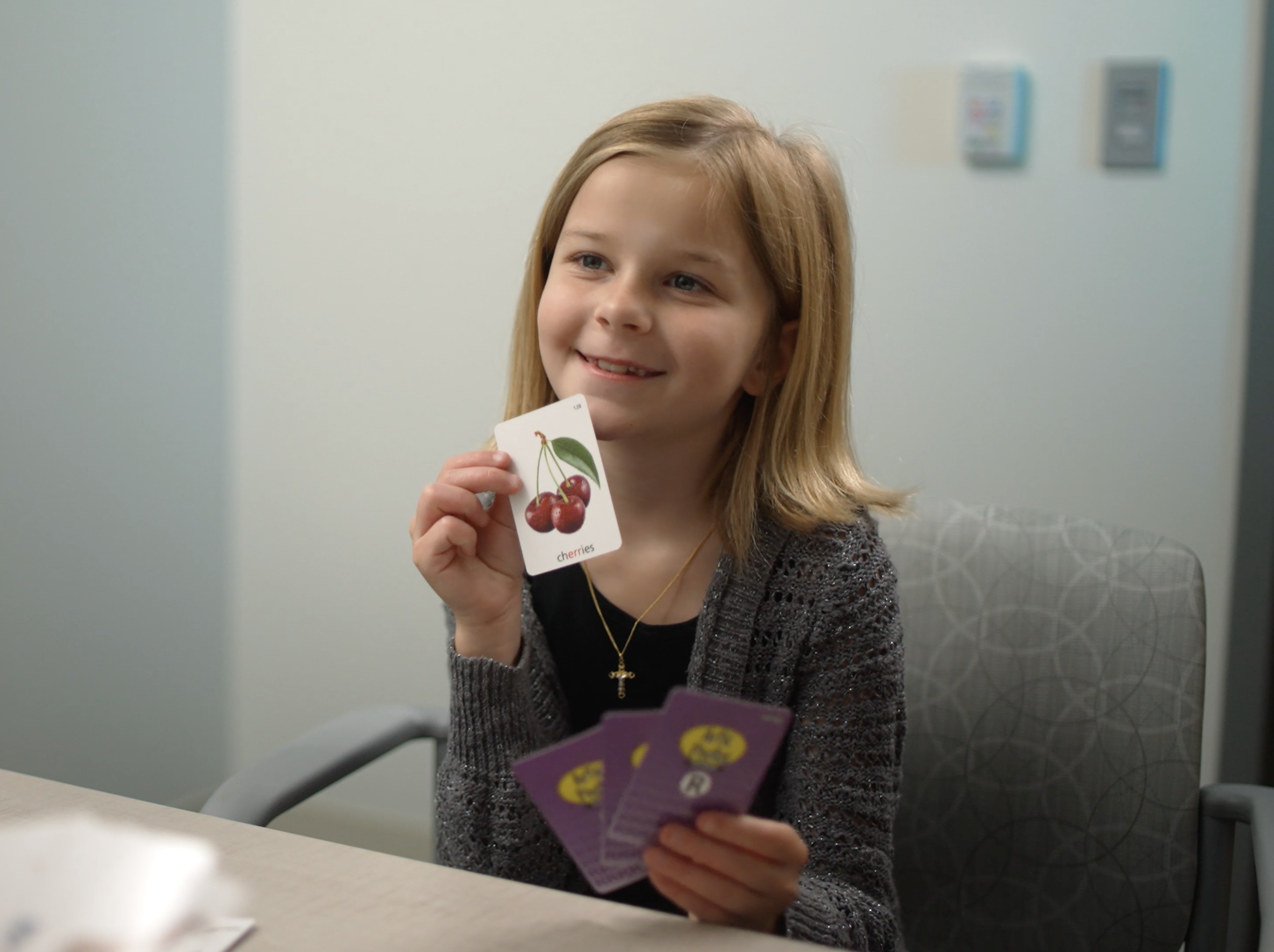
Speech/Language Therapy Services
- Dyslexia
- Cognition
- Voice
- Dysphagia: Difficulty swallowing
- Dysarthria: Difficulty speaking, caused by muscle weakness
- Aphasia: Loss of the ability to understand or express speech, caused by brain damage
Sports Medicine
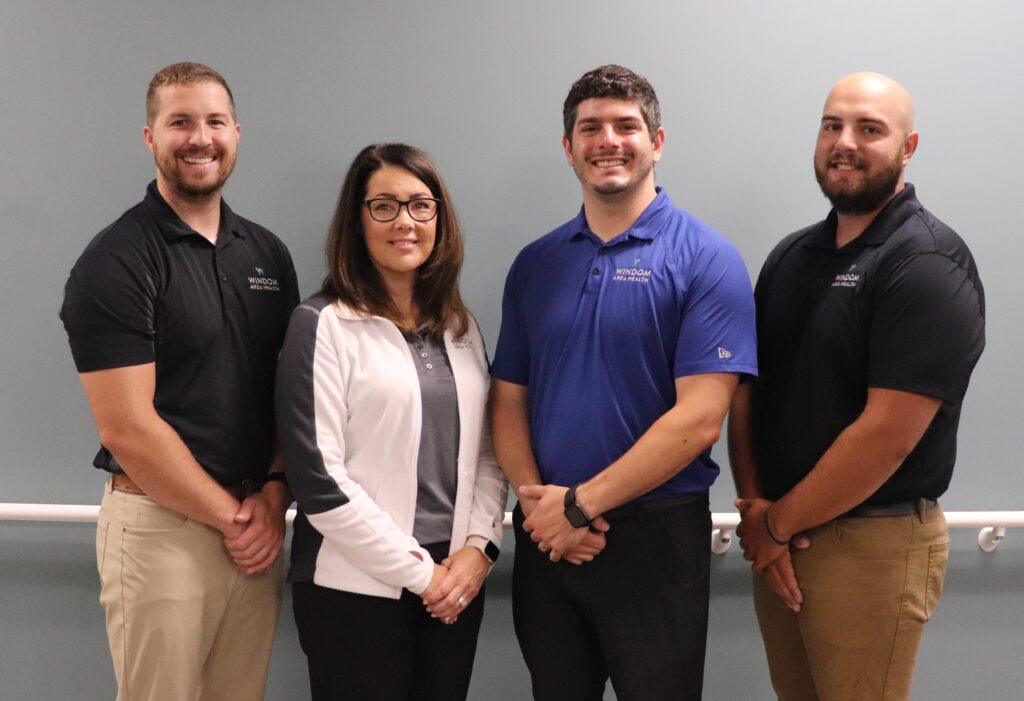
In the 2022-2023 school year, Windom Area Schools implemented having on-site Sports Medicine services for their student athletes, provided by the Windom Area Health Rehabilitation team. In 2025 Derek Harder was hired to provide full time coverage to Windom Area Schools provided onsite daily coverage for practices and events providing first aid and emergency care, taping injury evaluation and more to student athletes throughout the year. (The therapy team provides overflow event coverage)
Meet the Staff
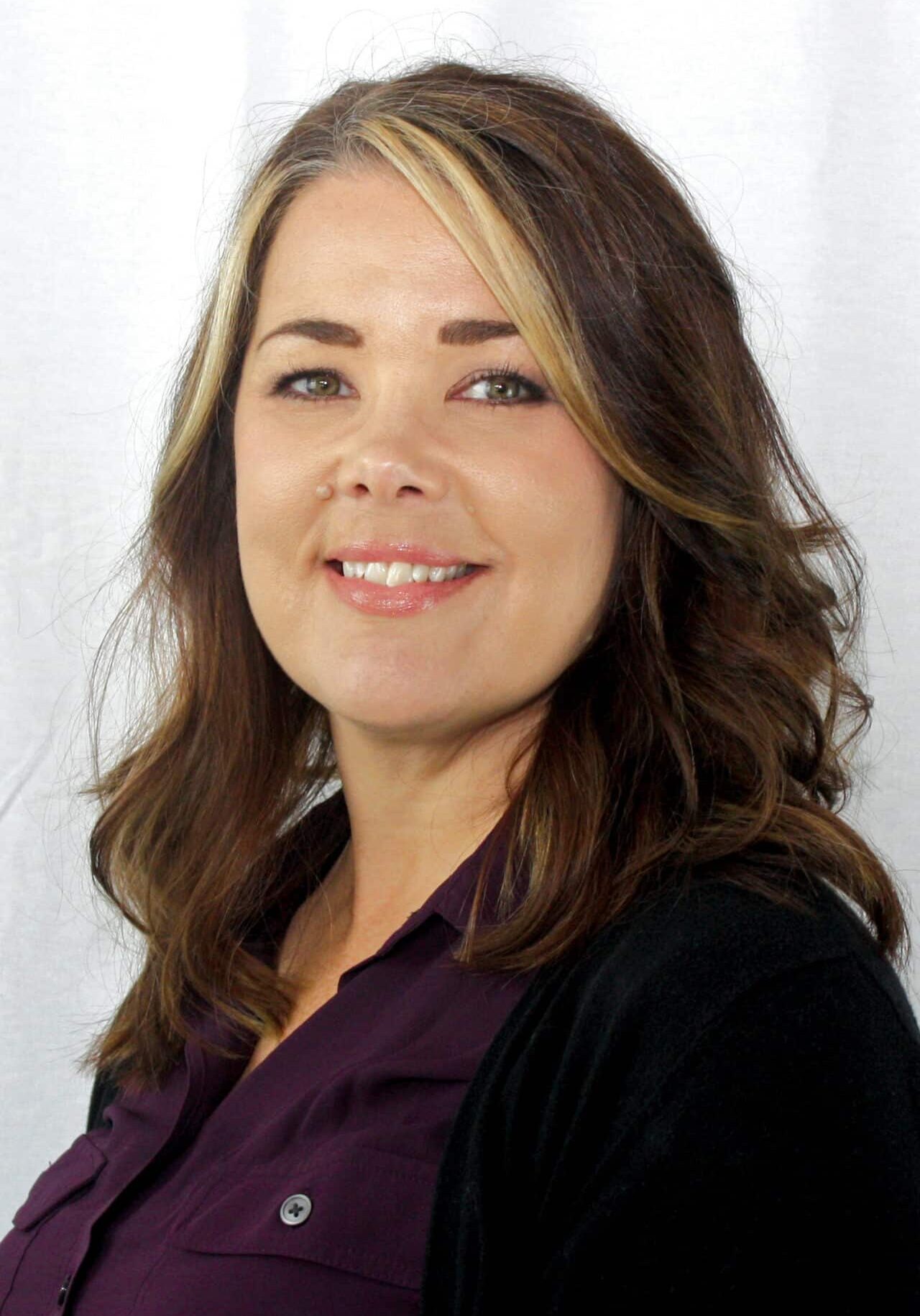
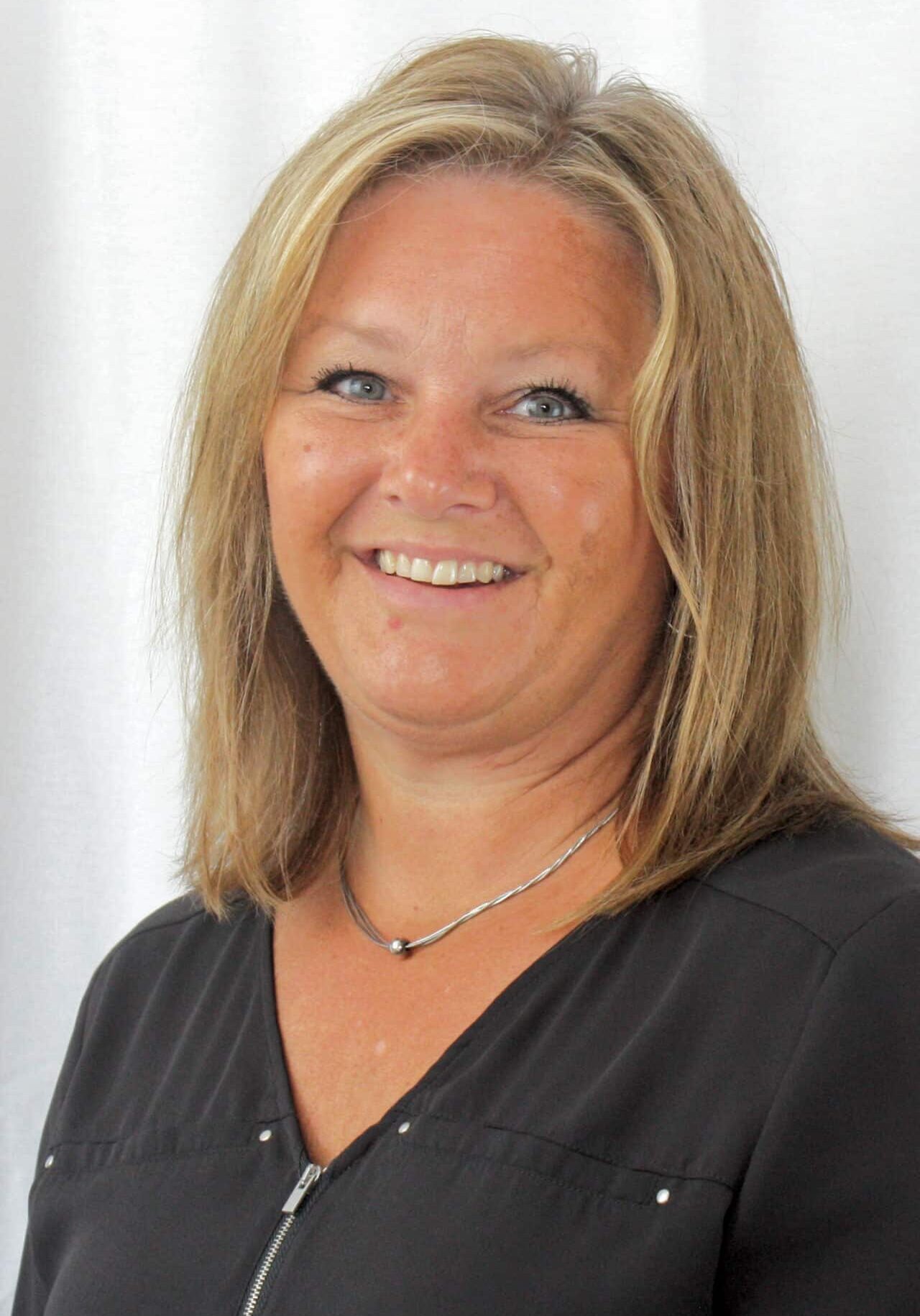
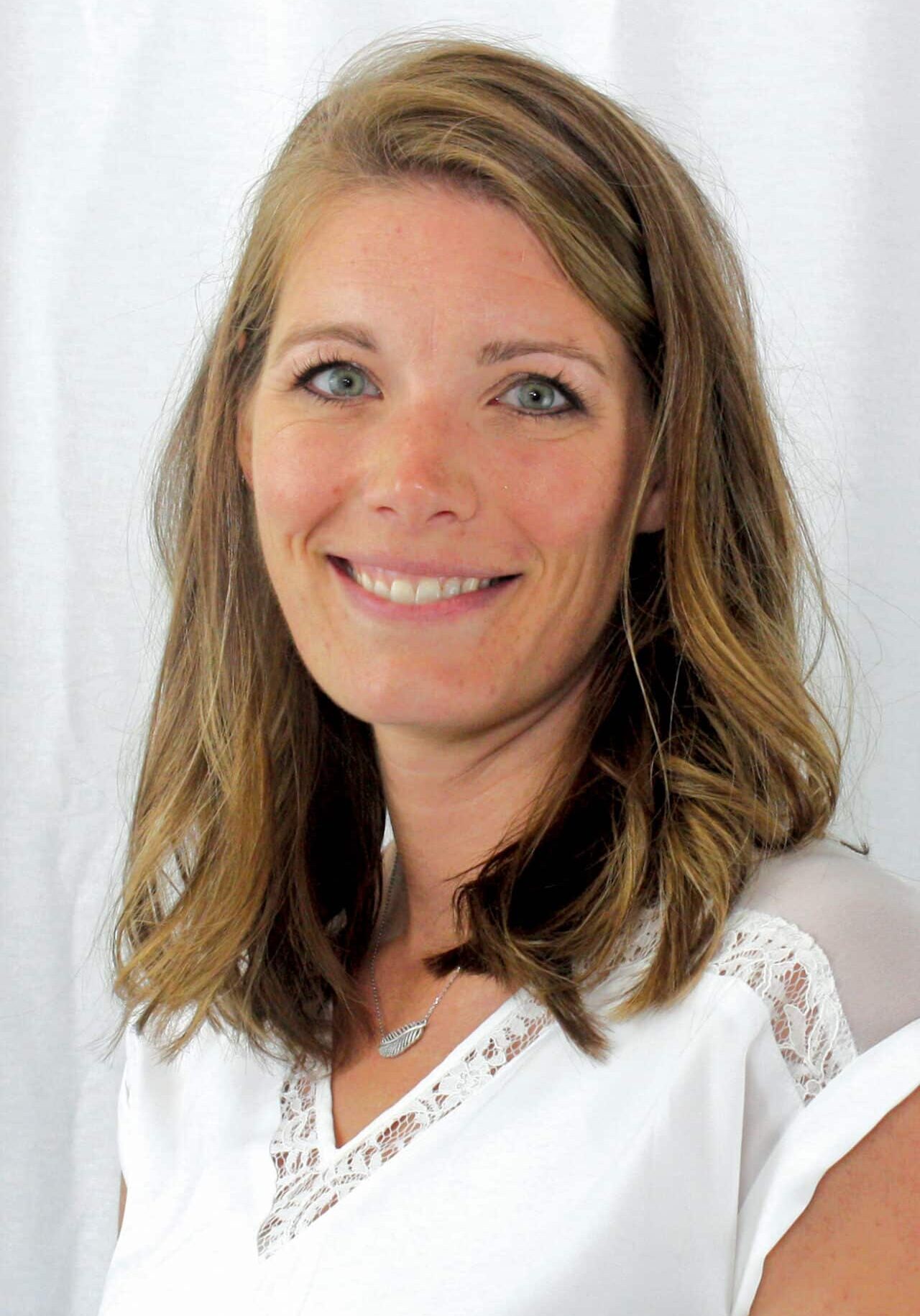
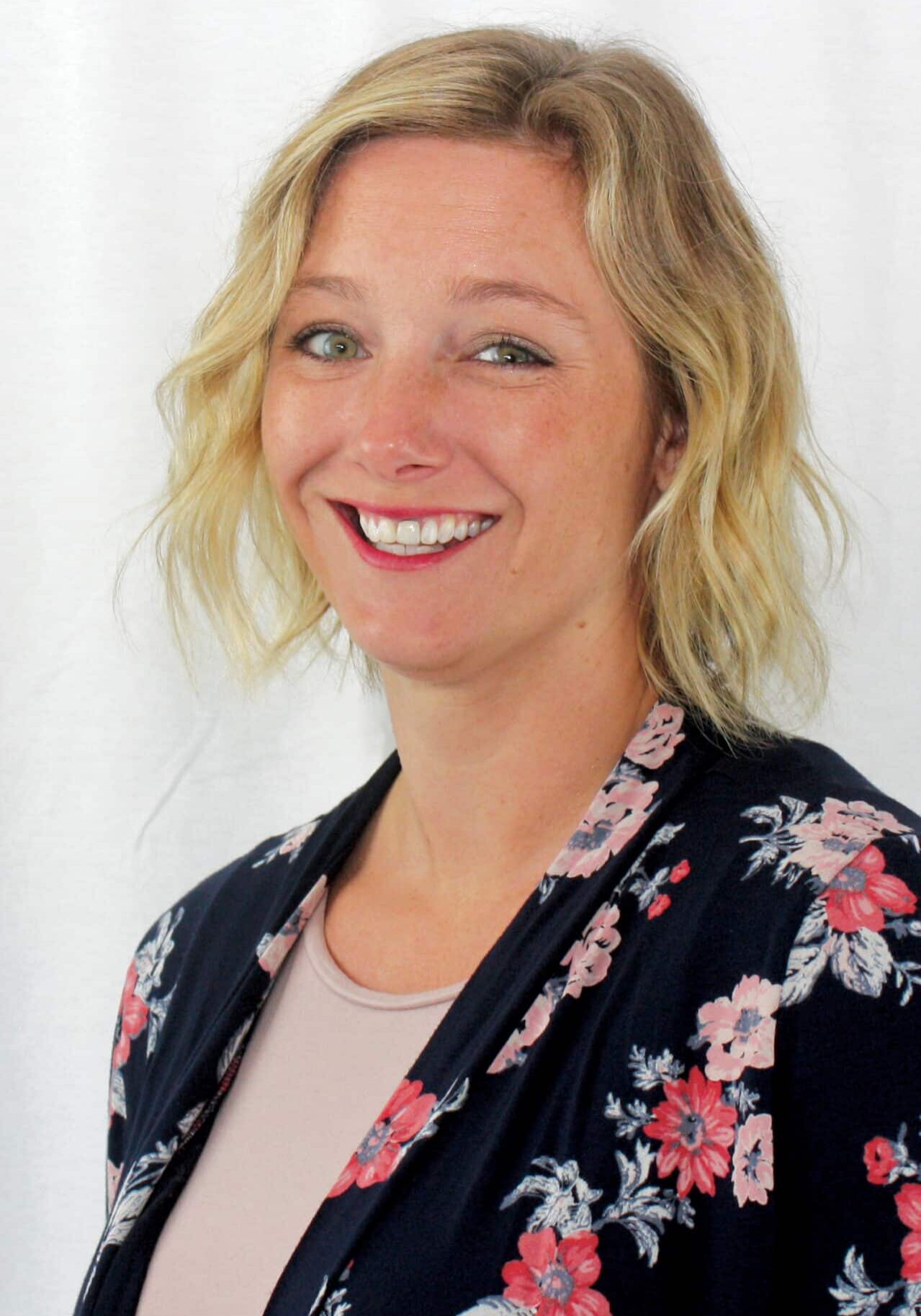
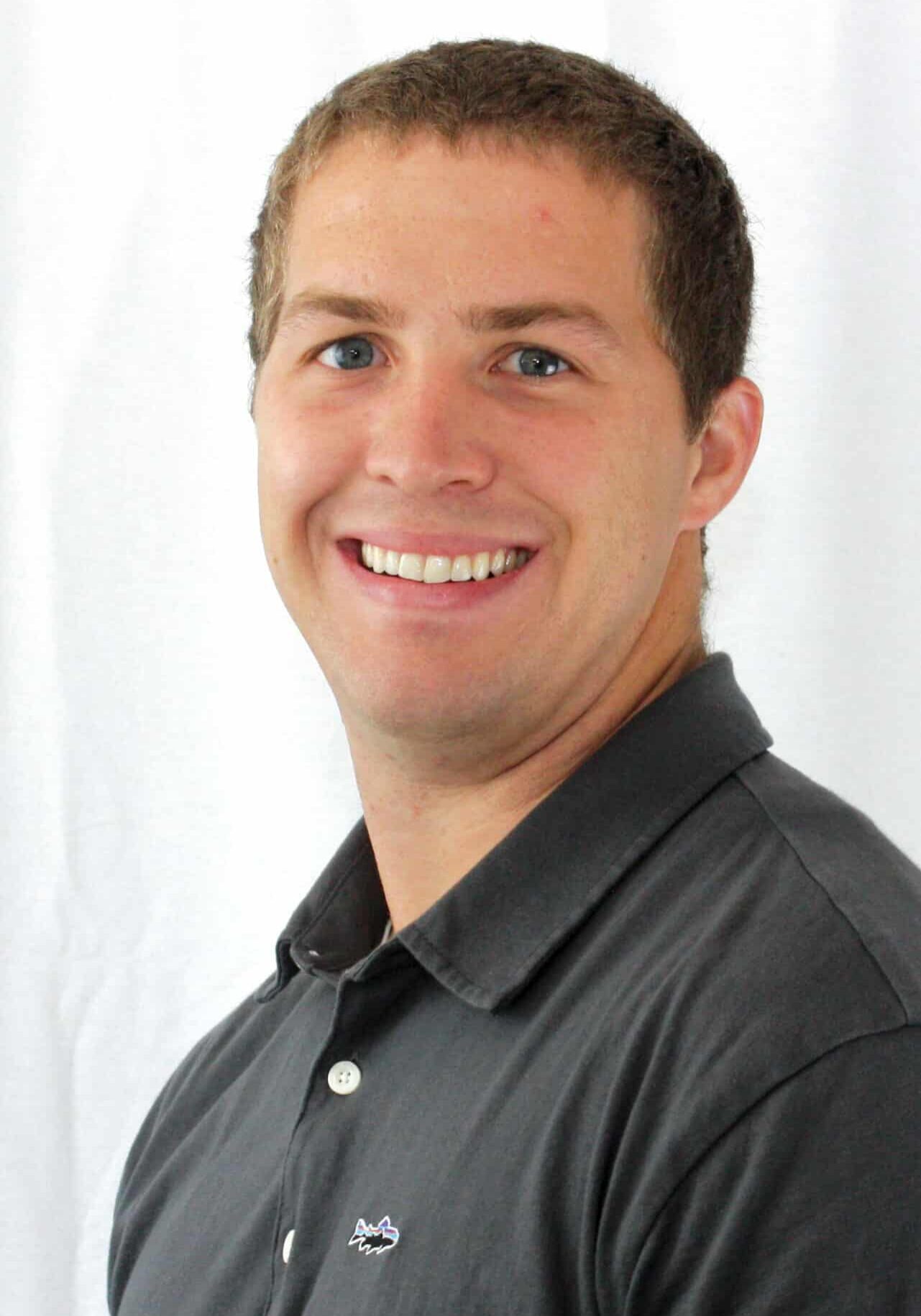
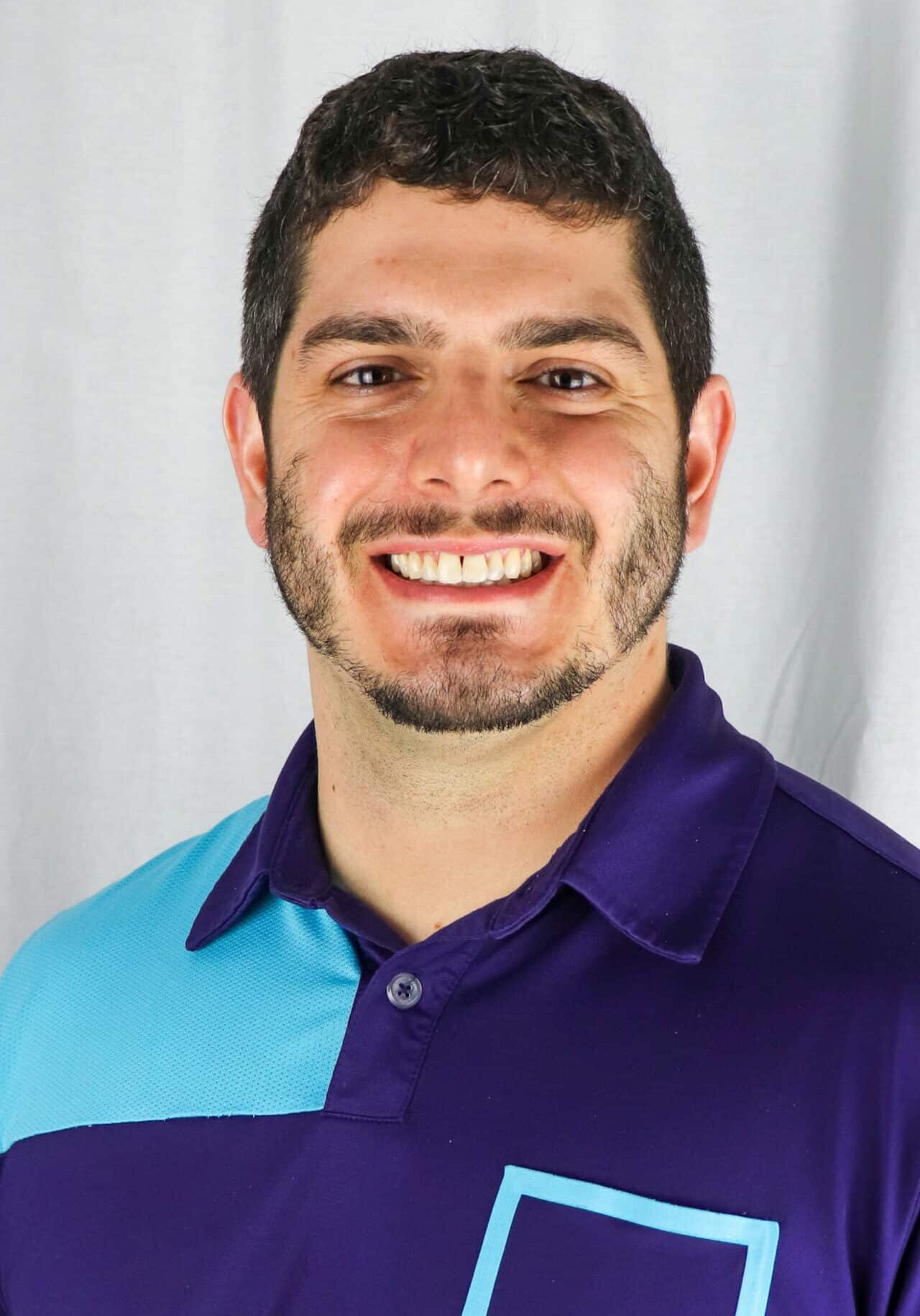
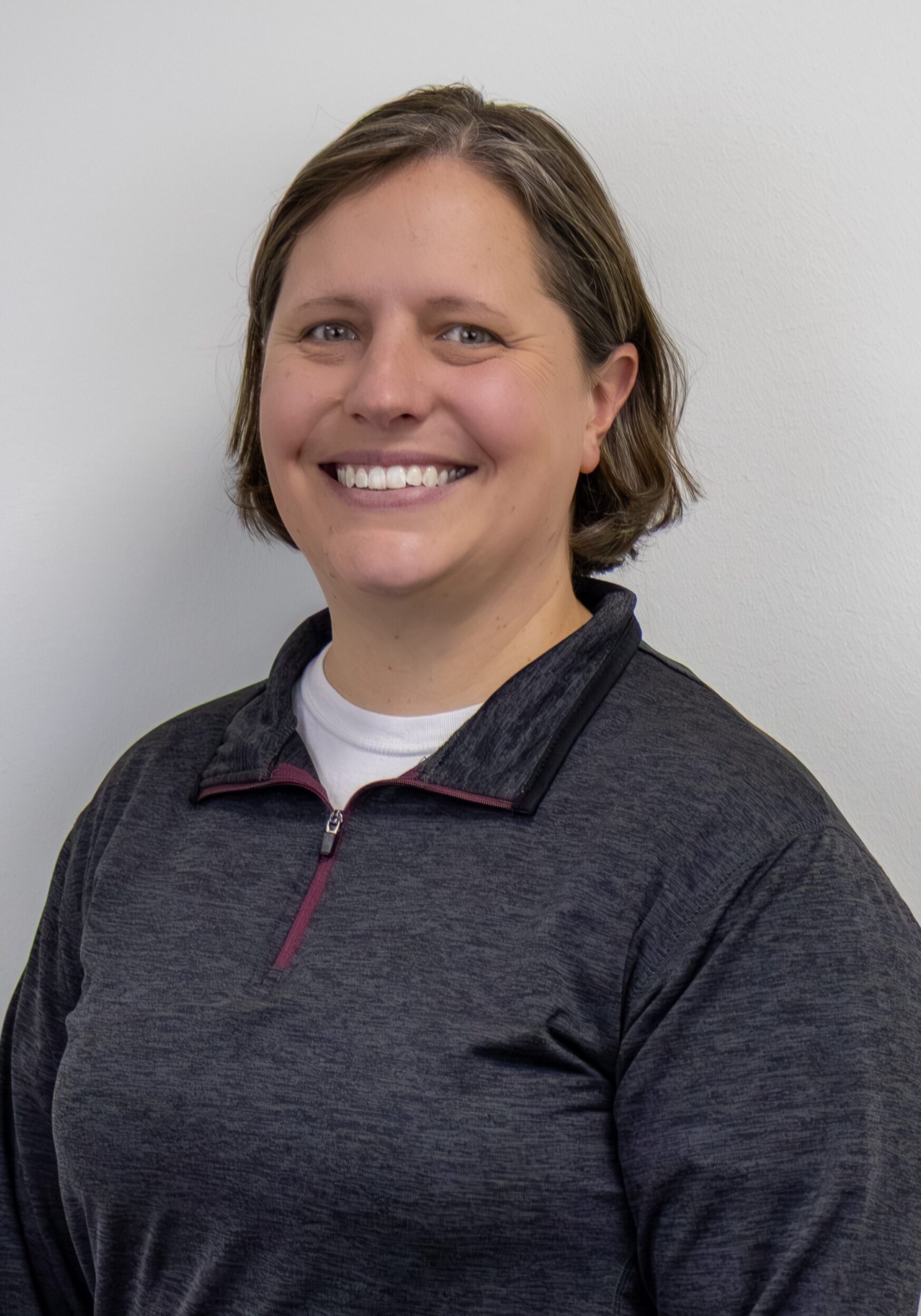
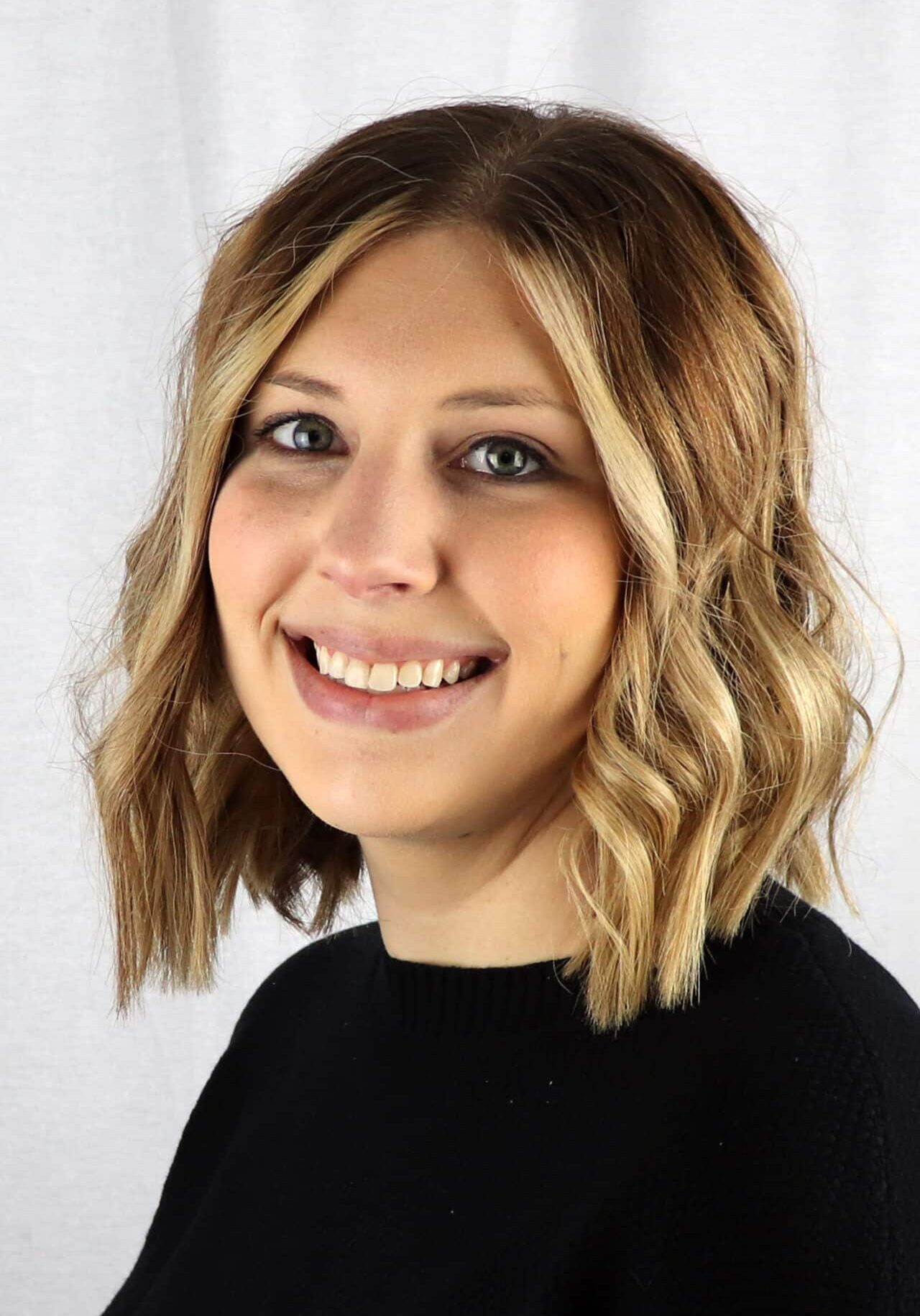
Click the name of each staff member to learn more about them!