


Windom Area Health offers Orthopedics services locally to serve your needs.
We will help correct abnormalities of bones, muscles, joint, ligaments, or tendons to get you back to moving through life the way you want.
For more information on our Orthopedics services, call 507-831-2500.
Procedures Offered
Total Joint Replacement
When a hip, shoulder, or knee joint wears down enough that pain limits your daily life, replacement surgery may be the right option. Our care team removes the damaged joint and replaces it with an implant designed to restore movement and reduce pain. Most patients return to walking and light activity within weeks. We'll talk through what recovery looks like before you decide, including how much time you'll need off work and what physical therapy involves.
Hip Replacement
Hip pain that makes it hard to walk, sleep, or get through a normal day is worth taking seriously. When the hip joint wears down — most often from arthritis — replacement surgery removes the damaged bone and cartilage and replaces it with an implant that restores movement. Most patients are up and walking the same day or the day after surgery. Full recovery takes a few months, and our care team will walk you through what to expect at each stage, including physical therapy and when you can return to normal activity.
Anterior Hip Replacement
Anterior hip replacement reaches the joint from the front of the hip rather than the side or back, allowing the surgeon to work between muscles rather than cutting through them. This approach typically means less post-operative pain, a faster initial recovery, and fewer movement restrictions in the weeks after surgery. It's not the right fit for every patient, but for those who are good candidates, it can mean getting back to daily activity sooner. Your care team will help determine whether the anterior approach makes sense for your anatomy and goals.
Knee Replacement
The knee is the largest joint in the body, and it takes a lot of wear over a lifetime. When pain and stiffness from arthritis or injury limit what you can do, knee replacement may be the right next step. We remove the damaged surfaces of the joint and replace them with an implant that allows the knee to move smoothly again. Recovery involves physical therapy starting within a day or two of surgery. Most patients see significant improvement in pain and function within three to six months.
Shoulder Replacement
Shoulder replacement is less common than hip or knee, but it's an effective option when arthritis or a severe injury has damaged the joint beyond what other treatments can fix. We replace the ball and socket of the shoulder joint with implants sized to fit your anatomy. In some cases — particularly when the rotator cuff is also damaged — we use a reverse shoulder replacement, which repositions the joint mechanics to restore function even without a working rotator cuff. Your care team will explain which approach fits your situation.
iovera™ Treatments
iovera™ is a non-opioid pain treatment we use before joint replacement surgery. It works by applying a small amount of cold to specific nerves, temporarily reducing pain signals. The effect typically lasts several weeks. It does not treat the underlying joint condition, but it can make recovery more comfortable and reduce the need for opioid pain medication after surgery. Your care team can tell you whether you're a candidate.
To learn more about iovera™ treatments at Windom Area Health, watch the video below.
Sports Medicine
Injuries don't only happen to competitive athletes. Whether you farm, work a physical job, or stay active in your own way, musculoskeletal injuries are a common part of life in this region. Our sports medicine services focus on diagnosing and treating injuries to muscles, tendons, ligaments, and joints — with the goal of getting you back to doing what you need to do. We offer both surgical and non-surgical options and will talk through which approach fits your situation and your life.

Joint & Arthroscopic Procedures
Arthroscopic surgery uses a small camera and thin instruments inserted through minor incisions. Because the incisions are small, recovery is often faster than with open surgery. We perform arthroscopic and standard joint procedures on the knee, shoulder, elbow, ankle, and wrist.
Meniscus Repair or Removal
The meniscus is the cartilage that cushions your knee joint. A tear can cause pain, swelling, and locking. Depending on the tear, our care team can repair it or remove the damaged portion to restore function.
Removal of Loose Bone or Cartilage
Loose fragments in a joint can cause pain and limit movement. We remove those fragments arthroscopically from the knee, shoulder, elbow, ankle, or wrist — often as an outpatient procedure.
Arthroscopic Knee Repair
A minimally invasive surgical procedure that allows the surgeon to see inside your joint to repair some types of joint damage without making a large incision.
Some problems that are corrected with this type of procedure are ACL or meniscus tears.
Arthroscopic Shoulder Repair
A minimally invasive surgical procedure that allows the surgeon to see inside your joint to repair some types of joint damage without making a large incision.
Some problems that are corrected with this type of procedure are shoulder impingement and rotator cuff tears.
Soft Tissue & Ligament Repairs
Tendons and ligaments hold joints together and connect muscle to bone. When they tear, surgery is sometimes the best path to full function.
Rotator Cuff Surgery
The rotator cuff is a group of four tendons that hold the shoulder in place. A tear from injury or wear can cause persistent pain and weakness. We repair the torn tendon and, when possible, do so arthroscopically to limit recovery time.
Ligament Repair
Torn ligaments in any joint can affect stability. We assess the injury and repair or reattach the ligament to restore normal movement.
ACL Reconstruction
The anterior cruciate ligament (ACL) runs through the center of the knee. A complete tear usually requires reconstruction rather than repair. We replace the ligament using tissue from your own body or a donor graft. Full recovery takes several months, and we'll guide you through each stage of that process.
Trigger Finger
This is a surgical procedure to increase the space for the flexor tendon to move with the goal of making it easier to bend and straighten the finger.
Inflammatory & Synovial Procedures
The synovium is the thin tissue that lines your joints. When it becomes chronically inflamed — from conditions like rheumatoid arthritis — it can damage surrounding tissue and cause significant pain. We can remove the inflamed lining surgically in the knee, shoulder, elbow, wrist, or ankle. This procedure, called a synovectomy, does not cure the underlying condition, but it can reduce pain and slow joint damage.

 Fracture Repairs
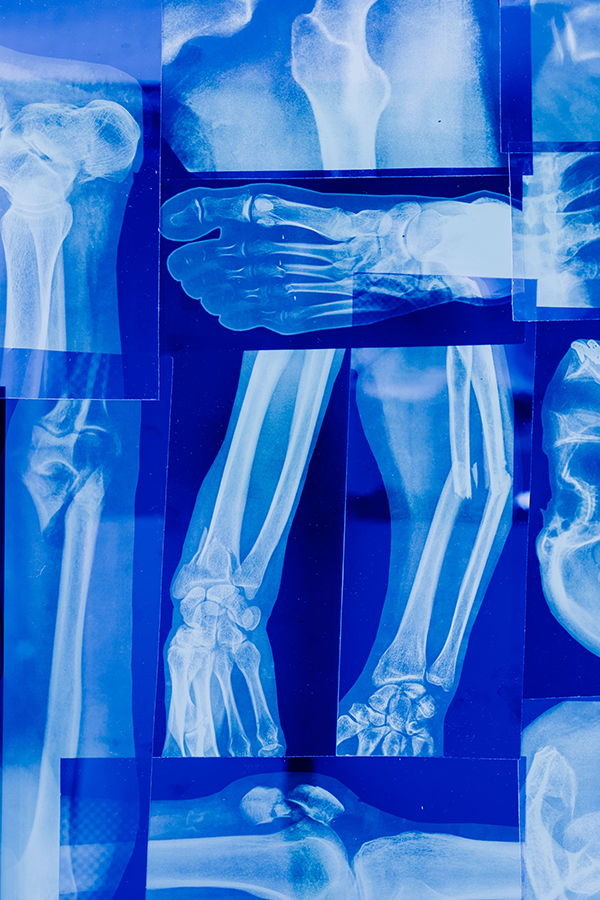
Some fractures heal with a cast or splint. Others need surgery to properly align and stabilize the bone. Our care team evaluates each fracture individually. When surgery is needed, we use plates, screws, or rods to hold the bone in place while it heals. We'll explain your specific fracture, what surgery involves, and what recovery looks like before you make any decisions.
Osteomyelitis Care
Osteomyelitis is a bone infection. It can develop after an injury, surgery, or spread from elsewhere in the body. Treatment typically involves a course of antibiotics, and sometimes surgery to remove infected tissue. We work with your primary care provider and, when needed, with infectious disease specialists to make sure you're getting the right treatment. Bone infections require prompt attention — if you have persistent bone pain, fever, and swelling, contact us.
Carpal Tunnel
Carpal tunnel syndrome occurs when the median nerve — which runs through a narrow passage in the wrist — gets compressed. It typically causes numbness, tingling, or weakness in the hand. Many people try splints or injections first. When those don't provide lasting relief, surgery is an option.
Carpal Tunnel Release
Carpal tunnel release involves cutting the ligament that forms the roof of the tunnel, relieving pressure on the nerve. The procedure is typically done as an outpatient surgery under local anesthesia and takes less than an hour. Most patients notice improvement in symptoms within a few weeks, though full recovery can take several months.

Amputations
Amputation is sometimes necessary when an injury, infection, or disease has damaged a limb beyond repair. We know this is one of the most difficult decisions a patient and family can face. Our care team will talk through every option with you first. When amputation is the right path, we focus on preserving as much function as possible and preparing you for the next stage of care, including rehabilitation and prosthetic evaluation.
